
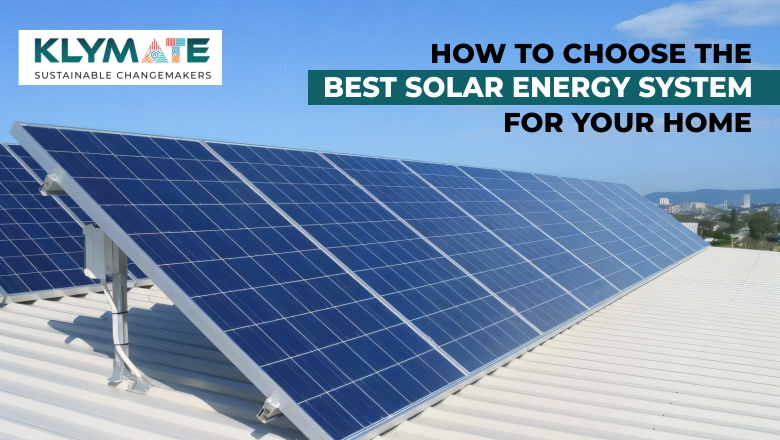
Introduction
As the world moves toward cleaner, renewable energy sources, solar energy for home has become a smart and sustainable choice for homeowners. With rising electricity costs and growing environmental awareness, installing the best solar panels can help you save money while reducing your carbon footprint.
Choosing the right residential solar system might seem complex — with so many types, sizes, and technologies available. However, understanding your energy needs, roof conditions, and the features of a home solar power system will help you make the right decision. This guide by KLYMATE will walk you through everything you need to know to choose the perfect solar panels for home use, ensuring maximum efficiency and long-term value.
Understanding Solar Energy for Home: Why It’s the Future of Sustainable Living
What Is Solar Energy and How Does It Work?
Solar energy for home systems use photovoltaic (PV) cells to convert sunlight into electricity. These panels capture solar radiation and transform it into direct current (DC), which an inverter then converts into alternating current (AC) — the form of electricity your home appliances use.
Why Solar Energy Is the Future:
- Reduces dependency on fossil fuels
- Decreases monthly electricity bills
- Minimizes carbon emissions
- Offers long-term energy security
Government Support and Growing Adoption
Many countries, including India, offer tax benefits and subsidies for homeowners investing in a home solar power system. These incentives make it more affordable to transition to renewable energy, paving the way for a cleaner, greener future.
Key Factors to Consider Before Choosing the Best Solar Panels
Types of Solar Panels:
The best solar panels for your home depend on your energy goals, roof structure, and budget.
Types of Panels:
- Monocrystalline Panels: High efficiency, longer lifespan, ideal for limited roof space.
- Polycrystalline Panels: Cost-effective, moderate efficiency, suitable for larger roofs.
- Thin-Film Panels: Lightweight and flexible, but generally less efficient.
What to Check When Selecting Panels:
- Warranty (minimum 25 years recommended)
- Efficiency rate (typically 18–22%)
- Temperature coefficient (lower is better)
- Manufacturer reputation and certifications
Cost vs. Quality
Investing in premium panels ensures durability, higher energy generation, and reduced maintenance costs over time. While cheaper panels may seem appealing initially, they often lead to reduced output and early replacements.
Selecting the Right Residential Solar System for Your Energy Needs

How to Choose the Best Solar Energy System for Your Home | KLYMATE
Understanding System Components:
A complete residential solar system includes:
- Solar panel
- Inverter
- Battery (for storage)
- Mounting structure
- Monitoring system
How to Determine Your Energy Requirement:
- Review your average monthly power consumption (in kWh).
- Multiply it by 12 to find annual usage.
- Choose a system size that covers 80–100% of your consumption.
Key Considerations for System Sizing:
- Roof space availability
- Sunlight exposure
- Budget and electricity rates
- Future energy needs (EVs, new appliances, etc.)
Example Calculation:
If your monthly usage is 500 kWh, you’ll need a home solar power system of around 5 kW to cover your needs efficiently.
Comparing Home Solar Power Systems: Grid-Tied vs. Off-Grid vs. Hybrid
Grid-Tied Systems:
Connect directly to the local electricity grid. Ideal for areas with stable power supply.
- Pros: Lower cost, earn credits via net-metering
- Cons: Dependence on the grid
Off-Grid Systems:
Completely independent, suitable for remote areas without grid access.
- Pros: Energy independence
- Cons: Higher setup cost due to batteries
Hybrid Systems:
Combine both grid connection and battery backup for reliability.
- Pros: Power during outages, optimized usage
- Cons: Slightly higher installation cost.
Choosing the Right System:
- Urban homes → Grid-tied or hybrid
- Rural / remote homes → Off-grid
- Areas with frequent blackouts → Hybrid
Maximizing Efficiency: Tips for Choosing the Right Solar Panels for Home Use
Proper Installation Matters:
Even the best solar panels can underperform if not installed correctly. Always hire certified professionals for mounting, wiring, and orientation setup.
Installation Tips:
- Place panels facing south (in India) for maximum exposure.
- Maintain a tilt angle equal to your latitude.
- Keep panels free of dust and debris.
Maintenance and Monitoring:
Routine maintenance enhances the lifespan of your solar panels for home use.
Maintenance Checklist:
- Clean panels monthly or after heavy dust storms.
- Check inverter readings regularly.
- Schedule annual inspections.
Take Advantage of Government Incentives:
Check local government websites for subsidy programs under initiatives like the Rooftop Solar Scheme. These can cover up to 40% of installation costs for homeowners.
Benefits of Incentives:
- Reduced installation cost.
- Faster return on investment.
- Encouragement to adopt solar energy for home solutions.
Conclusion
Switching to solar is more than just an energy decision — it’s an investment in sustainability and financial independence. By understanding your energy needs, choosing the best solar panels, and selecting the ideal residential solar system, you can enjoy decades of clean, renewable power. KLYMATE provides expertly designed home solar power systems and professional installation services to help you make the transition effortlessly. Embrace the future of energy one powered by the sun, for your home.
FAQs
- What are the key benefits of installing a home solar power system?
A home solar power system reduces electricity bills, provides clean, renewable energy, increases property value, and supports sustainable living with long-term cost and energy savings. - How do I determine the right size for my residential solar system?
Check your monthly power usage, roof space, and sunlight exposure. A residential solar system professional calculates the ideal capacity for efficient energy production and savings. - What makes the best solar panels for home use?
The best solar panels for home use offer high efficiency, long warranties, strong durability, and certified quality from trusted brands, ensuring maximum performance. - How much will a solar energy for home setup cost, and what are the savings?
A solar energy for home setup costs ₹70,000 to ₹1,20,000 per kW, offering payback in 3–5 years through major electricity savings and subsidies. - What should I look for when choosing solar panels for home use?
Choose solar panels for home use with strong warranties, efficiency above 18%, certified materials, and compatibility with inverters to ensure long-lasting, reliable performance.